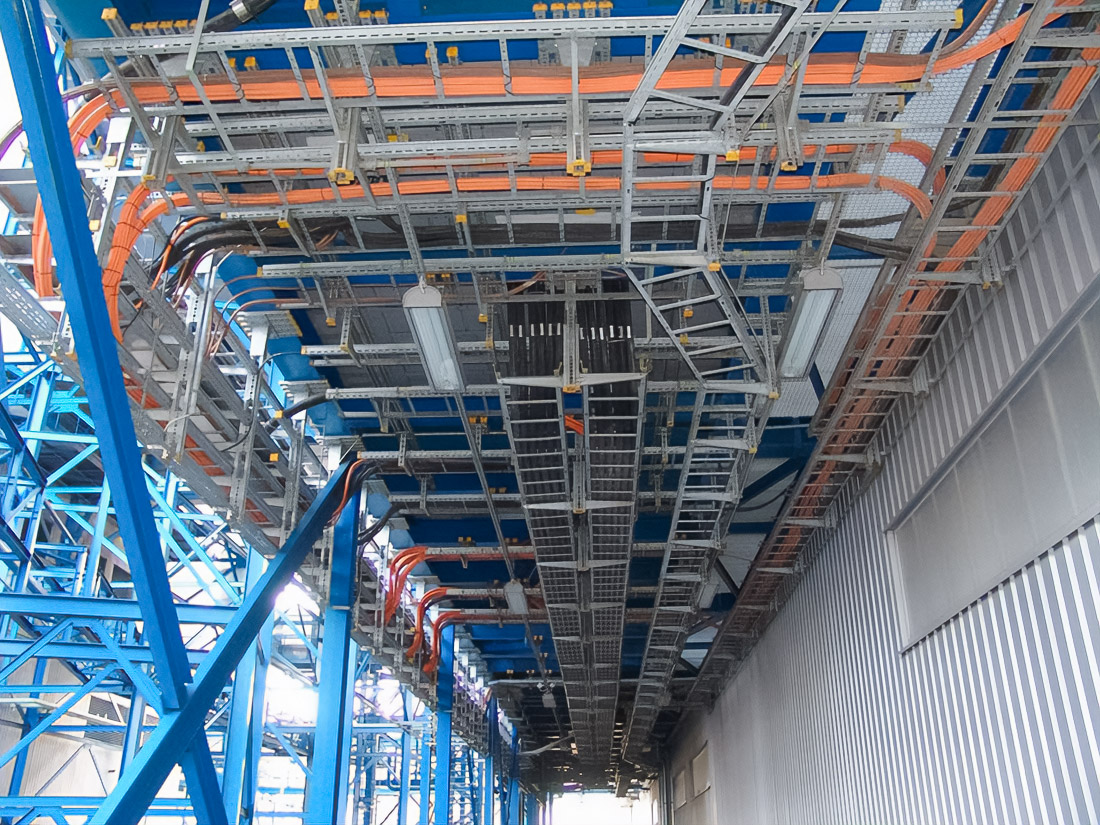
The development of modern infrastructure directly depends on how well the cable systems are organised. Electricity, telecommunications networks, data centres, energy facilities, and transportation hubs rely on thousands of kilometres of power, fibre, and control cables. Errors in their installation and protection lead to failures, overheating, fires and downtime of critical systems.
In regions with high temperatures, humidity, and aggressive environments, the requirements for cable management increase exponentially. There are no longer enough standard solutions here – systems are needed that are designed for extreme operating conditions, long service life, and strict safety and regulatory compliance requirements. In this context, properly selected cable tray and accessories become a fundamental element of infrastructure reliability.
Climate and Geography as Key Design Factors
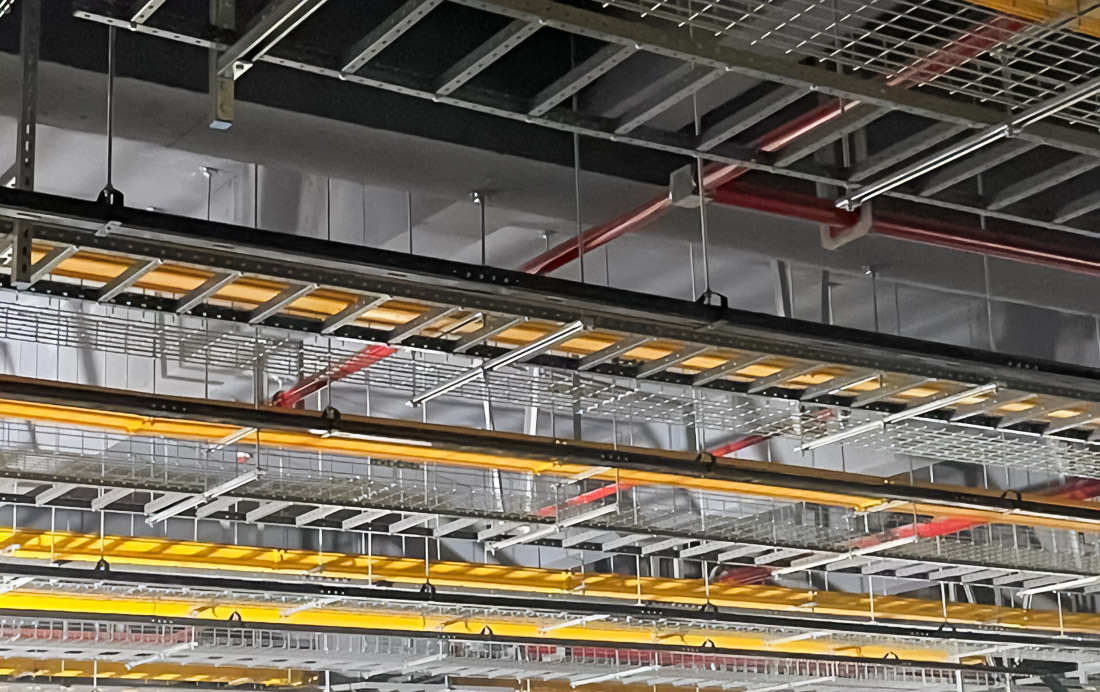
In coastal areas and hot climates, the cable infrastructure is subjected to several stresses at once: constant high temperatures, sudden changes in humidity, salty air and corrosive activity. Metal elements without proper protection quickly lose their strength, and improperly selected materials accelerate the wear of the entire system.
That is why, in such conditions, special attention is paid to the corrosion resistance, temperature resistance and mechanical strength of cable trays, cable ladders, protective boxes and fasteners. Non-metallic materials and composites are increasingly being used – they are lighter, corrosion-resistant, and require lower maintenance costs during the product lifecycle.
These requirements explain why projects increasingly rely on solutions developed by a cable tray manufacturer in UAE, where systems are designed specifically for local climatic and environmental conditions rather than adapted from temperate markets.
The Growth of Data Centers and Cable Management Requirements
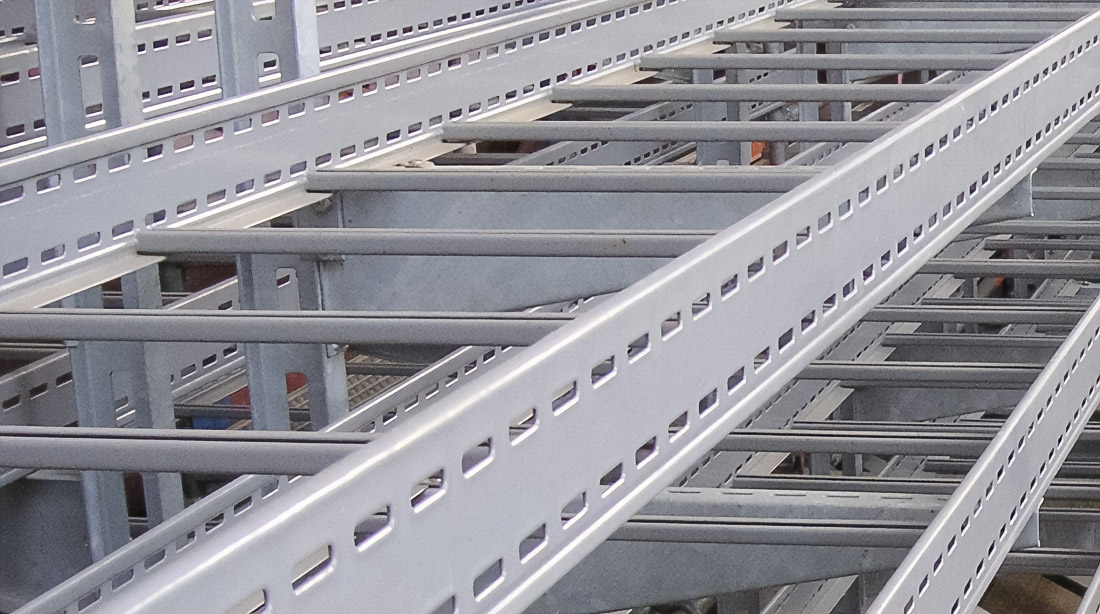
Data centres are becoming one of the most demanding types of facilities from the point of view of cable management. Modern data centres are designed with high cable density, scalability, and fault tolerance in mind. Even relatively compact facilities have a capacity of about 1.5 MW, and large infrastructure clusters reach 4 MW of total load.
In such conditions, cable systems must provide:
- Clear organization of power and low-current lines
- Efficient heat sink and ventilation
- Quick access for maintenance
- Redundancy and safety during emergency modes
Improper cable management directly affects cooling efficiency, increases energy consumption, and shortens equipment life.
Underwater Cables and Critical Infrastructure Protection
Underwater cable systems that provide international connectivity between continents require special attention. These lines connect Europe, Asia, Africa and America, forming the basis of global telecommunication networks. Any damage to such cables leads to large-scale communication failures and serious economic losses.
The market for underwater cable protection systems is estimated at about $1.5 billion in 2024, and by 2033 it is projected to grow to $2.8 billion at an average rate of about 7.5% per year. The growth is associated not only with an increase in the number of lines but also with stricter safety requirements and protection from anchors, fishing gear and natural factors. Onshore facilities supporting these networks depend heavily on durable cable tray and accessories to manage transition points, landing stations, and supporting infrastructure.
Energy, Industry and Automation
Energy infrastructure, including power plants, processing complexes and industrial facilities, traditionally places high demands on cable management. Reliability, fire resistance, and chemical resistance are critical here.
At the same time, the level of industrial automation is growing. Modern production lines use sophisticated control systems, sensors, and control cables that are sensitive to electromagnetic interference. This increases the demand for shielded routes, separation of power and signal lines, as well as modular solutions that allow infrastructure to be quickly adapted to new tasks.
Environmental Sustainability and Regulatory Requirements
More and more projects take into account not only technical but also environmental parameters. Reducing the carbon footprint, using recyclable materials, and optimising the mass of structures – all this becomes part of the design requirements.
At the same time, fire safety standards, requirements for smoke generation, toxicity of materials and durability of systems are being tightened. Cable management today is not just installation but a comprehensive engineering solution that takes into account safety, cost-effectiveness and compliance with international standards.
Economics and Service Life of Solutions
When choosing cable systems, it is increasingly estimated not only the cost of purchase but also the cost of ownership. Fast installation, reduced maintenance costs, resistance to external influences and the ability to scale can significantly reduce costs over 10-20 years of operation.
That is why the cable management market in the regions of active construction and modernisation of infrastructure is showing steady growth. According to forecasts, in the coming years alone, the volume of this market will increase by more than 700 million dollars by 2030, which is directly related to the development of energy, telecommunications, transport hubs and residential projects.
Modern infrastructure projects can no longer rely on universal solutions. The climate, building density, safety requirements, and increasing load make specialised cable management systems a critical element of any engineering infrastructure.
Well-designed cable systems ensure the reliability, safety and stability of facilities for decades to come – from data centres and energy complexes to underwater highways and urban networks.

Surfer, coffee addict, drummer, Mad Men fan and product designer. Performing at the nexus of art and intellectual purity to craft experiences that go beyond design. My opinions belong to nobody but myself.