In recent years, business communications have gone through a dramatic turnaround. What used to be limited to meetings in conference halls and exhibition halls has now turned into large-scale hybrid events reaching audiences around the world. Middle Eastern companies are adapting rapidly: international conferences, new product presentations, and business contacts no longer depend solely on physical venues. The geography of the region located between East and West, as well as the developed digital infrastructure, allowed the organizers to rethink the very nature of corporate meetings. Now every event becomes not only a point of contact, but also an instrument of global influence.
The numbers are eloquent. About 45% of the organizers in the region are still unaware of multilingual subtitles. Another 28% have not heard of remote simultaneous translation. And almost 40% continue to ignore the RSI during major events. These data demonstrate the gap between the expectations of the international audience and the actual practice. And if hybrid formats have become the norm, then failure to address such gaps means loss of reach and reduced engagement.
Hybrid Formats as an Evolution
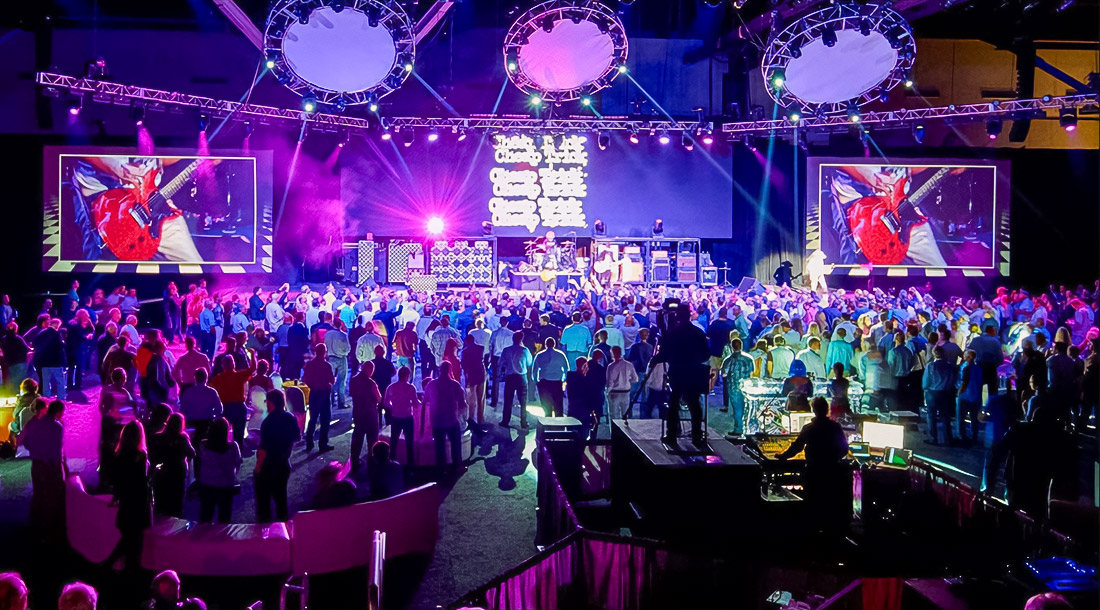
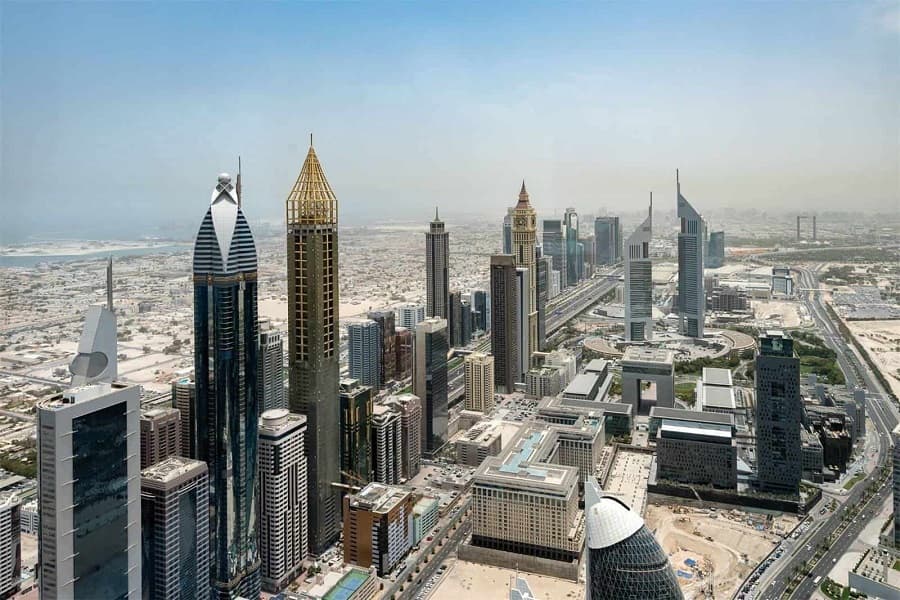
Today, a hybrid is not a temporary measure, but a strategic development path. It combines physical presence and virtual accessibility, opening up new opportunities for companies and participants. The example is simple: a product launch in Dubai can simultaneously bring together investors from London, partners from Singapore, and clients from New York. This flexibility creates a special advantage for companies in the region that seek to strengthen global ties and emphasize openness. For the organizers, especially for the event management company in Dubai, this approach means the ability to combine local expertise with international standards.
However, geography is only one facet. The economy is different. Reducing the cost of flights, hotels, and rentals makes corporate meetings more accessible and efficient. The released resources can be used to improve the quality of the broadcast, introduce interactive tools, and create a local experience for remote guests. As a result, the event turns not into a dot on the calendar, but into an ecosystem where every detail from live surveys to branded kits for online participants – works for engagement and inclusivity.
Data, Engagement, and Sustainability
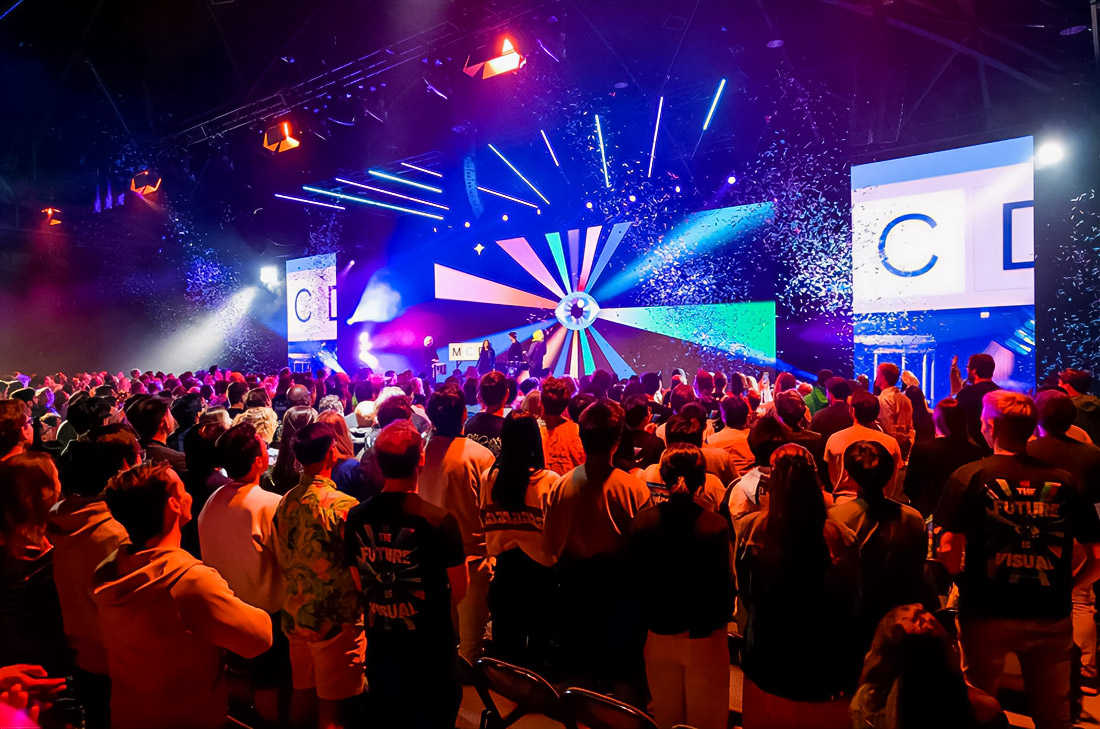
One of the key advantages of hybrid formats is analytics. Unlike classic meetings, where feedback is limited, digital platforms record everything: attendance, chat activity, and the popularity of individual sessions. These indicators allow you to evaluate profitability and flexibly adjust future events to meet the real demands of the audience.
The environmental factor is no less significant. Fewer flights and paper materials, fewer large – scale physical structures – lower carbon footprint. For participants focused on sustainable practices, this becomes a weighty criterion when choosing events. It is an additional competitive advantage for companies, strengthening their brand and reputation in the international arena.
In this way, hybrid events turn into a tool where data, engagement, and resilience merge into a single strategy. And the Middle East, due to its location and infrastructure, is gradually becoming the center of this transformation.

Surfer, coffee addict, drummer, Mad Men fan and product designer. Performing at the nexus of art and intellectual purity to craft experiences that go beyond design. My opinions belong to nobody but myself.