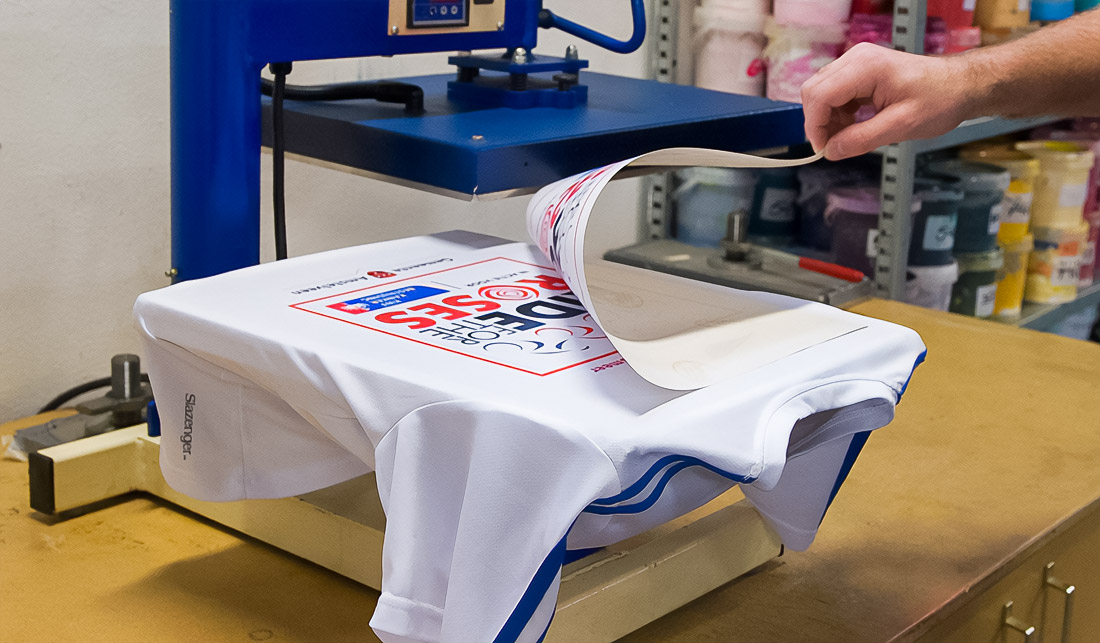
The first thing that ruins the dreams of beginners is not the numbers, but their absence. In order for DTF printing to make a profit, the account must be kept from the first day. The minimum investment is from 8,000 to 20,000 dollars. The printer will cost 3,000–15,000, powder curing plant 1,000–5,000, thermal press 500–3,000. Add the consumables: film, ink, powder about 1,000 more. And now you’re standing at the machine, not in your dreams.
Every dollar has to work. If you neglect the quality of the equipment, you will lose more. Saving on ink will turn into a marriage. It’s as simple as a profit formula: less chaos means higher margins.
From Cost to Revenue: The Math That Solves Everything
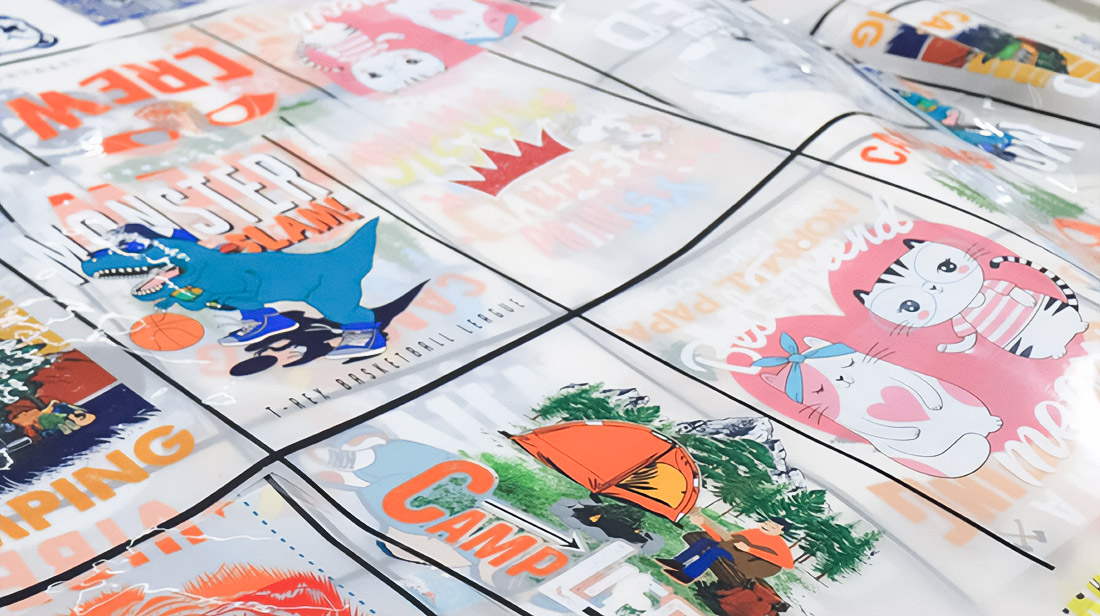
The numbers don’t lie. One print costs from 0.50 to 2 dollars depending on the ink and film. The full cycle material, packaging, labor draws on 10.50. You sell by 24 you get 13.50 profit from one T-shirt. Twenty orders a day give 270 dollars, and with a five-day week 8,500 net per month. All provided that the process is clearly structured: without alterations, refunds, and pointless downtime.
Not every business can keep up with the rhythm. The survivor here is the one who counts every minute, every fingerprint.DTF printing is not a craft for inspiration, it is exact economics in color.
Where Is the Money Flowing Away and How to Keep It
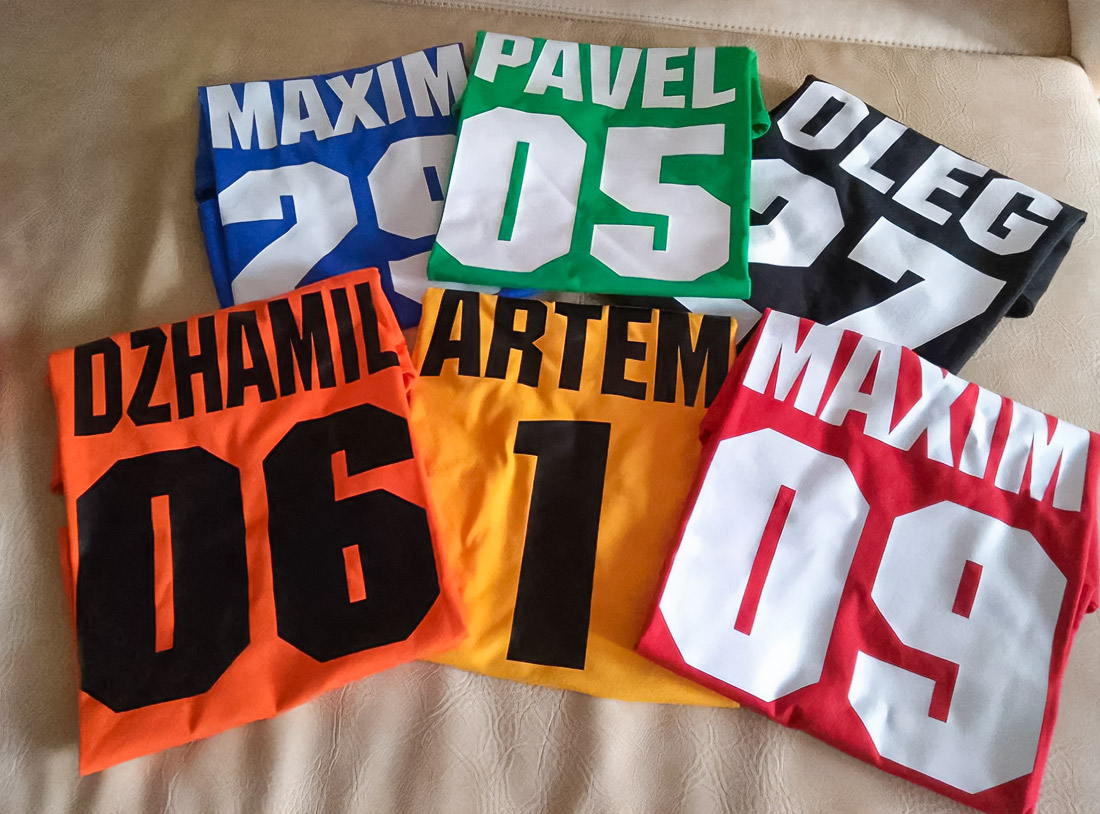
The most dangerous drain is not in costs, but in time. Corrupted files, unnecessary edits, endless correspondence with the client and the profit melts away. There is only one solution: automation. The order, the layout, the approval everything should go according to the script, not on a whim.
Don’t forget about the technique. One clogged printing module can turn into a disaster. Monthly maintenance costs 500–1,500 dollars, but it saves thousands from losses. True efficiency does not come from speed, but from stability.
Scaling: How to Grow Without New Debts
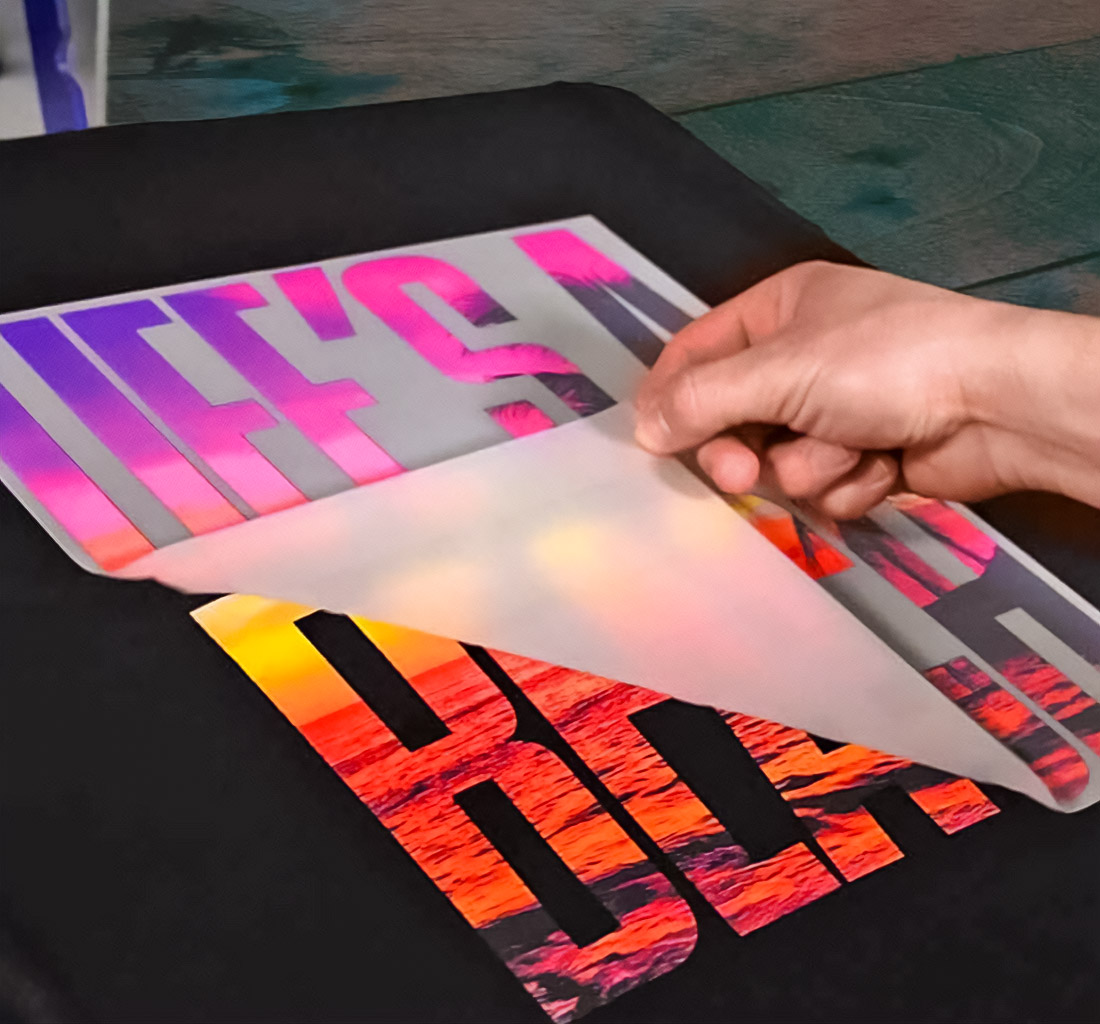
The big brands started with a single thermal press. This is not a metaphor, but a fact. The secret of growth is simple: parallel processes. One person prepares the design, the second cuts the film, the third cures the powder. Five seconds of saving on each operation turn into hours of freedom in the evening.
If you want to reach a new level, invest not in technology, but in order. Standardized Operations (SOP) quality control (QC),, and reliable suppliers are the real assets. Thanks to this, you are not dependent on the printer’s mood or delivery delays.
Find Your Niche and Stay the Course
The wrong way is to try to print everything. Universal solutions do not work here. The real profit lives in niches: school uniforms, sports equipment, blogger merchandise, pet clothes. Small print runs, high margins, constant demand.
One order for 12 hoodies for the team earns more than a hundred cheap T-shirts. Why? Because the customer pays for attention, speed, and reliability. The product is pressed in 15 seconds on a heat press, and the print can withstand up to 100 washes. Quality becomes an argument, not a promise. And when customers search for dtf printing near me, they’re really looking for that consistency, fast service, durable colors, and reliability that small studios can deliver.
The System Is More Important Than the Machines
You can buy the best printer on the market and go broke in six months. Or assemble simple equipment and build a mechanism that works without you. The whole strength of DTF production is in the structure. Clear workflow: order acceptance, layout, payment, printing, delivery. The less chaos, the higher the margin.
Many owners create online stores for customers, where you can re-order products without calls and emails. This is not only a time saver but also a constant source of orders.
California Workshop Experience: Less Investment, More Profit
California-based DTF brands have proven that success does not require loans. They chose a lean approach: minimum equipment, maximum order. One thermal press, one supplier, one mission quality.
Instead of huge warehouses, there are reliable supply chains. Instead of debts, partnerships. They monitor color reproduction, shipping speed, and wash resistance, and this is what has been keeping customers for years.
The key principles are simple:
- Standardized QC checks,
- Transparent logistics,
- Clear communication with the customer.
This is not how workshops are built, but brands.
DTF printing is not just a way to make money. It’s a formula where the craft is at one end and the system is at the other. Anyone who understands how to connect these two poles gets a business that operates stably, cleanly, and profitably.
It doesn’t matter if you print from the garage or run a studio for 100 orders a day the result is decided not by technology, but by structure. Cost control, quality, automation, and discipline. Then each print will be not just a drawing, but proof that you have built a system where color turns into money.

Surfer, coffee addict, drummer, Mad Men fan and product designer. Performing at the nexus of art and intellectual purity to craft experiences that go beyond design. My opinions belong to nobody but myself.